Αρχική Blog Σελίδα 2824

The Emerging Russia-Turkey-Iran Alliance Challenging NATO in the Middle East

0

An unusual triple alliance coming out of Syria could change the regional balance of power and unhinge NATO — if it holds together at all.

It might also lead to yet another double cross of one of the region’s largest ethnic groups, the Kurds.

However, the “troika alliance” — Turkey, Russia, and Iran — consists of three countries that don’t much like one another, have different goals, and whose policies are driven by a combination of geo-global goals and internal politics.

In short, “fragile and complicated” doesn’t even begin to describe it.

How the triad might be affected by the joint U.S., French, and British attack on Syria is unclear, but in the long run the alliance will likely survive the uptick of hostilities.

Consolidating Erdogan’s Grip

Common ground was what came out of the April 4 meeting between Turkish President Recep Tayyip Erdogan, Iranian President Hassan Rouhani, and Russian President Vladimir Putin.

Meeting in Ankara, the parties pledged to support the “territorial integrity” of Syria, find a diplomatic end to the war, and to begin a reconstruction of a Syria devastated by seven years of war. While Russia and Turkey explicitly backed the UN-sponsored talks in Geneva, Iran was quiet on that issue, preferring a regional solution without “foreign plans.”

“Common ground,” however, doesn’t mean the members of the “troika” are on the same page.

Turkey’s interests are both internal and external. The Turkish Army is currently conducting two military operations in northern Syria, Olive Branch and Euphrates Shield, aimed at driving the mainly Kurdish People’s Protection Units (YPG) out of land that borders Turkey. But those operations are also deeply entwined with domestic Turkish politics.

Erdogan’s internal support has been eroded by a number of factors: exhaustion with the ongoing state of emergency imposed following the 2016 attempted coup, a shaky economy, and a precipitous fall in the value of the Turkish lira.

Rather than waiting for 2019, Erdogan called a snap election last week, and beating up on the Kurds is always popular with right-wing Turkish nationalists. Erdogan needs all the votes he can get to implement his newly minted executive presidency that will give him virtually one-man rule.

Driving a Wedge in NATO

To be part of the alliance, however, Erdogan has had to modify his goal of getting rid of Syrian President Bashar Assad and to agree — at this point, anyhow — to eventually withdraw from areas in northern Syria seized by the Turkish Army. Russia and Iran have called for turning over the regions conquered by the Turks to the Syrian Army.

Moscow’s goals are to keep a foothold in the Middle East with its only base, Tartus, and to aid its long-time ally, Syria. The Russians aren’t deeply committed to Assad personally, but they want a friendly government in Damascus. They also want to destroy al-Qaeda and the Islamic State, which have caused Moscow considerable trouble in the Caucasus.

Russia also wouldn’t mind driving a wedge between Ankara and NATO. After the U.S., Turkey has NATO’s second largest army. NATO broke a 1989 agreement not to recruit former members of the Russian-dominated Warsaw Pact into NATO as a quid pro quo for the Soviets withdrawing from Eastern Europe. Since the Yugoslav War in 1999, the alliance has marched right up to the borders of Russia. (The 2008 war with Georgia and 2014 seizure of the Crimea were largely a reaction to what Moscow sees as an encirclement strategy by its adversaries.)

Turkey has been at odds with its NATO allies around a dispute between Greece and Cyprus over sea-based oil and gas resources, and it recently charged two Greek soldiers who violated the Turkish border with espionage. Erdogan is also angry that European Union countries refuse to extradite Turkish soldiers and civilians who he claims helped engineer the 2016 coup against him. While most NATO countries condemned Moscow for the recent attack on two Russians in Britain, the Turks pointedly did not.

Turkish relations with Russia have an economic side as well. Ankara wants a natural gas pipeline from Russia, has broken ground on a $20 billion Russian nuclear reactor, and just shelled out $2.5 billion for Russia’s S-400 anti-aircraft system.

The Kurdish Question

The Russians don’t support Erdogan’s war on the Kurds and have lobbied for the inclusion of Kurdish delegations in negotiations over the future of Syria. But Moscow clearly gave the Turks a green light to attack the Kurdish city of Afrin last month, driving out the YPG that had liberated it from the Islamic State and Turkish-backed al-Qaeda groups. A number of Kurds charge that Moscow has betrayed them.

Will the Russians stand aside if the Turkish forces move further into Syria and attack the city of Manbij, where the Kurds are allied with U.S. and French forces? And will Erdogan’s hostility to the Kurds lead to an armed clash among three NATO members?

Such a clash seems unlikely, although the Turks have been giving flamethrower speeches over the past several weeks. “Those who cooperate with terrorists organizations [the YPG] will be targeted by Turkey,” Turkish Deputy Prime Minister Bekir Bozdag said in a pointed reference to France’s support for the Kurds. Threatening the French is one thing, picking a fight with the U.S. military quite another.

Of course, if President Trump pulls U.S. forces out of Syria, it will be tempting for Turkey to move in. While the “troika alliance” has agreed to Syrian “sovereignty,” that won’t stop Ankara from meddling in Kurdish affairs. The Turks are already appointing governors and mayors for the areas in Syria they have occupied.

Keeping the U.S. at Bay

Iran’s major concern in Syria is maintaining a buffer between itself and the very aggressive U.S., Israeli, and Saudi alliance, which seems to be in the preliminary stages of planning a war against the second-largest country in the Middle East.

Iran is not at all the threat it’s been pumped up to be. Its military is minuscule and talk of a so-called “Shiite crescent” — Iran, Iraq, Syria, and Lebanon — is pretty much a western invention (although the term was dreamed up by the Sunni king of Jordan).

Tehran has been weakened by crippling sanctions and faces the possibility that Washington will withdraw from the nuclear accord and re-impose yet more sanctions. The appointment of National Security Adviser John Bolton, who openly calls for regime change in Iran, has to have sent a chill down the spines of the Iranians.

What Tehran needs most of all is allies who will shield it from the enmity of the U.S., Israel and Saudi Arabia. In this regard, Turkey and Russia could be helpful.

Iran has modified its original goals in Syria of a Shiite-dominated regime by agreeing to a “non-sectarian character” for a post-war Syria. (Erdogan has also given up on his desire for a Sunni-dominated government in Damascus.)

War and Oil

War between the U.S. or its allies and Iran would be catastrophic, an unwinnable conflict that could destabilize the Middle East even more than it is now. It would, however, drive up the price of oil, currently running at around $66 a barrel.

Saudi Arabia needs to sell its oil for at least $100 a barrel, or it will very quickly run of money. The ongoing quagmire of the Yemen war, the need to diversify the economy, and the growing clamor by young Saudis — 70 percent of the population — for jobs requires lots of money, and the current trends in oil pricing are not going to cover the bills.

War and oil make for odd bedfellows. While the Saudis are doing their best to overthrow the Assad regime and fuel the extremists fighting the Russians, Riyadh is wooing Moscow to sign on to a long-term OPEC agreement to control oil supplies. That probably won’t happen — the Russians are fine with oil at $50 to $60 a barrel — and are wary of agreements that would restrict their right to develop new oil and gas resources.

The Saudis’ jihad on the Iranians has a desperate edge to it, as well it might. The greatest threat to the kingdom has always come from within.

The rocks and shoals that can wreck alliances in the Middle East are too numerous to count, and the “troika” is riven with contradictions and conflicting interests. But the war in Syria looks as if it’s coming to some kind of resolution — and at this point Iran, Russia, and Turkey seem to be the only actors who have a script that goes beyond lobbing cruise missiles at people.

Top Photo | Iran’s President Hassan Rouhani, front, Russia’s President Vladimir Putin, left, and Turkey’s President Recep Tayyip Erdogan arrive for a joint press conference in Ankara, Turkey, Wednesday, April 4, 2018. The leaders of Russia, Turkey and Iran say they stand against “separatist” agendas that would undermine Syria’s sovereignty and territorial integrity. (AP Photo/Burhan Ozbilici)

Conn Hallinan is a columnist for Foreign Policy In Focus.

The Emerging Russia-Turkey-Iran Alliance Challenging NATO in the Middle East


Γιατί κήρυξε πρόωρα εκλογές ο Ερντογάν

0

Δοκιμασία-κλειδί για το AKP του Ερντογάν χαρακτηρίζει το Stratfor τις πρόωρες εκλογές. Η επιδείνωση της οικονομίας και η ανάδυση αντιπολιτευτικών κομμάτων. Οι υπερεξουσίες του προέδρου.

 Στις 18 Απριλίου, ο Τούρκος πρόεδρος Ρετζέπ Ταγίπ Ερντογάν κήρυξε πρόωρες προεδρικές και βουλευτικές εκλογές για τις 24 Ιουνίου –σχεδόν ενάμισι χρόνο νωρίτερα από το αρχικώς προγραμματισμένο. Η απόφαση έρχεται μετά από διαβούλευση μεταξύ του κ. Ερντογάν και του πολιτικού συμμάχου του Ντεβλέτ Μπαχτσελί, ηγέτη του Εθνικιστικού Κινήματος.
Μια ημέρα πριν την ανακοίνωση του κ. Ερντογάν, ο κ. Μπαχτσελί είχε ζητήσει να διενεργηθούν πρόωρες εκλογές, οι οποίες είχαν προγραμματιστεί για τις 3 Νοεμβρίου του 2019. Οι πρόωρες εκλογές αποτελούν μια δοκιμασία-κλειδί για το Κόμμα Δικαιοσύνης και Ανάπτυξης (AKP) του κ. Ερντογάν, που παρά το ότι έχει την κοινοβουλευτική πλειοψηφία, ωστόσο αντιμετωπίζει προκλήσεις που θα μπορούσαν να διαβρώσουν τη δημοφιλία του.

Όταν, για παράδειγμα, στα τέλη του 2017 αναδύθηκε το κόμμα της αντιπολίτευσηςIyi Parti (το Καλό Κόμμα), τράβηξε δυσαρεστημένα μέλη από τις τάξεις τόσο του κυβερνώντος AKP, όσο και του Εθνικιστικού Κινήματος.

Η αυξανόμενη δημοφιλία του Iyi Parti έχει αρχίσει να αποτελεί μεγαλύτερη απειλήκαι για τα δυο κόμματα, με πρόσφατες δημοσκοπήσεις να «δείχνουν» μάχη στήθος με στήθος με το AKP σε μια ενδεχόμενη προεδρική εκλογή. Στην πίεση αυτή έρχεται να προστεθεί η μουντή εικόνα της τουρκικής οικονομίας που η κυβέρνηση φοβάται πως μπορεί να επιδεινωθεί. Αν και το ΑΕΠ της Τουρκίας συνεχίζει να αυξάνεται, το εταιρικό χρέος και ο πληθωρισμός έχουν επίσης αυξηθεί, καθιστώντας την οικονομία της χώρας ιδιαίτερα ευάλωτη σε μια σειρά παγκόσμιους παράγοντες.

Καθώς δεν υπάρχει καμία εγγύηση για οικονομική σταθερότητα τους επόμενους μήνες, το AKP επιζητεί να κεφαλαιοποιήσει το σημερινό επίπεδο στήριξής του. Τους τελευταίους μήνες, ο τουρκικός στρατός έχει πραγματοποιήσει επιχειρήσεις κατά των Κούρδων ανταρτών στην Αφρίν στη βορειοδυτική Συρία, ενέργεια που αποδείχθηκε δημοφιλής στο εσωτερικό της Τουρκίας. Η κεφαλαιοποίηση αυτής της ανόδου στην προτίμηση της κοινής γνώμης θα μπορούσε να αποτελέσει μια τεράστια επιβράβευση για τον Ερντογάν αν κερδίσει στις πρόωρες εκλογές, καθώς οι αλλαγές στο σύνταγμα της χώρας που εγκρίθηκαν με το δημοψήφισμα του Απριλίου 2017 θα τεθούν σε εφαρμογή μετά της επόμενες εκλογές της Τουρκίας. Μετά την κάλπη, η θέση του πρωθυπουργού θα εξαλειφθεί και οι εξουσίες του προέδρου θα διευρυνθούν σημαντικά.

Ασχέτως του ποιος θα τις κερδίσει, οι ίδιες οι εκλογές θα φέρουν μια θεμελιώδη μεταβολή στη δομή της τουρκικής κυβέρνησης. Αυτό το μεγάλο στοίχημα θα κάνει το κλίμα στο εσωτερικό ιδιαίτερα τεταμένο και θα προκαλέσει αντιδράσεις από κόμματα που λειτουργούν ως ένα είδος φιλοκυβερνητικής αντιπολίτευσης εντός της Τουρκίας, περιλαμβανομένου του Λαϊκού Ρεπουμπλικανικού Κόμματος, και των νέων αντιπολιτευτικών ομάδων όπως το Iyi Parti.

Αν ο κ. Ερντογάν και το AKP βγουν νικητές για μια ακόμα φορά, τότε οι ήδη τεταμένες σχέσεις της Τουρκίας με την Ευρωπαϊκή Ένωση θα γίνουν ακόμα πιο τεταμένες. Άλλωστε, η κριτική της ΕΕ αφορούσε και στο πώς ο κ. Ερντογάν χρησιμοποίησε την αυξανόμενη εξουσία του και, μετά τις εκλογές, το αξίωμα που τώρα κατέχει πράγματι θα αποκτήσει μεγαλύτερες εξουσίες.

euro2day.gr

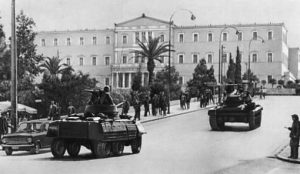
21 Απριλίου1967: Οι δικτατορίες δεν είναι, πια, στρατιωτικές.

21

ΤΟΥ ΠΑΝΤΕΛΗ ΣΑΒΒΙΔΗ.

Αν και η επέτειος ξεθώριασε και λόγω  χρόνου και εξαιτίας της διάψευσης των ελπίδων του ελληνικού λαού, δεν περνά, ακόμη, απαρατήρητη.

Η 21η Απριλίου αποτέλεσε το αποκορύφωμα του εμφυλιακού δράματος του οποίου οι ρωγμές είναι και σήμερα ορατές στην ελληνική κοινωνία.

Δεν είναι τυχαίο ότι προκειμένου να αναπαράγουν την εξουσιαστική τους μανία, αρκετοί, αυτοαποκαλούμενοι αριστεροί, ανατρέχουν στην περίοδο εκείνη για να καλύψουν είτε την έλλειψη πολιτικής τους είτε την συμπόρευσή τους με τα πλέον σκληρά μνημονιακά μέτρα. Δεν έχουν, δε, κανένα πρόβλημα να ενεργοποιήσουν μνήμες που λόγω της κρίσης είναι εύκολο να οδηγήσουν σε ακραίες συμπεριφορές.

Ευτυχώς, μέχρι στιγμής, ο λαός δείχνει μεγαλύτερη ωριμότητα από τους πολιτικούς  του.

Αποτέλεσε νομοτέλεια η 21η Απριλίου; Ως ένα βαθμό, ναι. Οι νικητές του Εμφυλίου δεν μπόρεσαν να διαχειριστούν τη νίκη τους.  Ή, καλύτερα, τη διαχειρίστηκαν με τρόπο μισαλλόδοξο, αντί να φροντίσουν να ανορθώσουν τη χώρα με το σύνολο των δυνάμεων που διέθετε και να υπερβούν την αντιπαράθεσή τους με τους αντιπάλους τους.

Για να είμαστε δίκαιοι, δεν ήταν και εύκολη υπόθεση. Ο ελληνικός εμφύλιος αποτέλεσε την πρώτη in vivo πειραματική πράξη του ψυχρού πολέμου. Ο κόσμος διαιρέθηκε και στην Ελλάδα έλαβε χώρα η πρώτη σύγκρουση αυτής της νέας τάξης αλλά, με κάπως, σημαδεμένα χαρτιά. Κατά την περίφημη Γιάλτα, η Ελλάδα είχε παραχωρηθεί στη Δύση και αυτό ήταν αδύνατον να μην το γνώριζε η κομμουνιστική ηγεσία. ‘Αλλωστε, με λίγη γεωπολιτική σκέψη, δεν ήταν δύσκολο να αντιληφθεί κανείς πως η Ελλάδα θα παρέμενε στο Δυτικό στρατόπεδο. Πριν, ακόμη, από την ανεξαρτησία της Ελλάδας ως κράτους, ήδη από το 1828, οι αγγλογάλοι ζήτησαν από τη Ρωσία να μην ασχολείται με τους Έλληνες και της παρεχώρησαν τους λαούς της λοιπής βαλκανικής.

Παρόλα αυτά, η ηγεσία του ΚΚ είχε σύρει το λαό σε μια τραγωδία την οποία επεδίωξε και η άλλη πλευρά. Και την επεδίωξε, ακριβώς, για να «ξεκαθαρίσει» το τοπίο. Να ελέγξει τις εξελίξεις και να κυριαρχήσει όχι, μόνο, επι του στρατού αλλά και επι της κοινωνίας.

Αυτή η προσπάθεια ελέγχου είχε ως κατάληξη τη Δικτατορία της  21ης Απριλίου 1967.

Ίσως, η αφετηρία αυτού του εσωτερικού σπαραγμού να μην ήταν ο Εμφύλιος αλλά το αποτυχημένο βενιζελικό κίνημα του 1935, που έδωσε την ευκαιρία στις φιλοβασιλικές δυνάμεις να «ξεκαθαρίσουν», υπέρ αυτών, το στράτευμα. Από τότε άρχισαν οι διώξεις. Αλλά και το Κίνημα του 1935 είχε τις ρίζες του στον Εθνικό Διχασμό του 1916 μεταξύ Βασιλιά και Βενιζέλου, με πρόκριμα τη συμμετοχή στον Α! Π.Π.

Δεν θα ήταν υπερβολή να πούμε ότι η δικτατορία του 1967 ήταν η τελευταία πράξη του δράματος αυτού του διχασμού, του διχασμού του 1916. Πενήντα χρόνια σκληρής διαμάχης. Πενήντα χρόνια στα πεδία του πολέμου που με δόξες και τραγωδίες διαμόρφωσαν την Ελλάδα της μεταπολίτευσης. Τη σημερινή Ελλάδα.

Με τη χρονική απόσταση των πενήντα χρόνων από την επιβολή, τώρα, της δικτατορίας, θα μπορούσε κανείς να τη χαρακτηρίσει ως παρωδία. Δεν υπήρχε καμιά αναγκαιότητα για την επιβολή της. Σε ανθρώπινο επίπεδο κόσμος διώχθηκε, βασανίστηκε και φυλακίσθηκε αλλά το δράμα κορυφώθηκε με τα εθνικά θέματα. Ενώ στο εσωτερικό, η ηγεσία της δικτατορίας επεδείκνυε ένα σκληρό πρόσωπο, στις σχέσεις με την Τουρκία, από τότε, ακόμη, εμφανιζόταν ιδιαιτέρως υποχωρητική. Με αποκορύφωμα και εδώ, την κυπριακή τραγωδία.

Παρά τις επίμονες προσπάθειες της Τουρκίας σε συνεργασία μα τον Κίσιγκερ να πετύχουν μια εγγυημένη εισβολή, ο στόχος δεν θα επιτυγχάνετο, αν η στρατιωτική ηγεσία της εποχής δεν ήταν τόσο ανίκανη ώστε να αντιληφθεί πως το πραξικόπημα κατά του Μακαρίου θα ήταν η επιδιωκόμενη αφορμή. Και οι δικτάτορες έδωσαν αυτήν την αφορμή. Με τρόπο, απολύτως, αφελή. Δεν θα ήθελα να πω προδοτικό.

Η πτώση της δικτατορίας θα μπορούσε να αποτελέσει  ευκαιρία για μια αναγέννηση της χώρας. Συνέτρεχαν όλες οι προϋποθέσεις. Αλλά, αποδείχτηκε πως υπάρχουν εγγενείς αδυναμίες που έχουν να κάνουν με εδραιωμένα στερεότυπα στην ελληνική κοινωνία που την κράτησαν και συνεχίζουν να την κρατούν στην υπανάπτυξη.

Τα εμφυλιοπολεμικά ιδεολογήματα δεν υποχώρησαν στην μεταπολίτευση. Απλώς, αντικαταστάθηκαν. Τα ακροδεξιά αντικαταστάθηκαν από τα αριστερά. Η δικτατορία, στέρησε από τις ακραίες μορφές της δεξιάς την ιδεολογική ηγεμονία αν και, μάλλον, η δεξιά ποτέ δεν την πέτυχε αυτήν την ηγεμονία. Και αν θέλετε, η δικτατορία αποτέλεσε εμφανή απόδειξη αυτής της αδυναμίας της δεξιάς να επιβληθεί ιδεολογικά μετά τον πόλεμο. Δεν μπόρεσε να ηγεμονεύσει ιδεολογικά και κατέφυγε σε στρατιωτικό πραξικόπημα, αν και τα συμφέροντα της κυρίαρχης τάξης δεν εξυπηρετούνταν με αυτήν την εξέλιξη. Η στρατιωτική δικτατορία της 21ης Απριλίου αποτέλεσε και τον επιθανάτιο ρόγχο μιας οικονομικής τάξης που διαμορφώθηκε από τις παθογένειες της δεκαετίας του ’40 και του 50.

Στη μεταπολίτευση, κυριάρχησε ιδεολογικά η αριστερά και πολιτικά μετά το 1981, αν το ΠΑΣΟΚ, που κέρδισε τις εκλογές, μπορούμε να το κατατάξουμε στο αριστερό πολιτικό φάσμα. Αν αποδεχθούμε την, μάλλον, σωστή προσέγγιση πως υπάρχει και μη μαρξιστική αριστερά, το ΠΑΣΟΚ και ο Ανδρέας Παπανδρέου, αποτέλεσαν αριστερό κίνημα.

Στη σημερινή ιδεολογικοπολιτική θολούρα, ο Ανδρέας Παπανδρέου θεωρείται υπεύθυνος για όλα τα δεινά της χώρας. Με όσα έχει υποστεί ο ελληνικός λαός, λόγω της κρίσης, αναζητά κάποια αιτία για τα βάσανα που υφίσταται. Και την αναζητά με απλουστευτικό τρόπο. Το σύνολο των δυνάμεων που αντιπολιτεύθηκε τον ιδρυτή του ΠΑΣΟΚ εστίασε πάνω του ως αιτία των σημερινών δεινών. Και πέτυχε να επιβάλλει την άποψή του σε έναν λαό που δεν θέλει, και ίσως, έχει κουραστεί να αναζητά τις πραγματικές αιτίες.

Είναι νωρίς να αποδοθούν ευθύνες αλλά, σε ότι αφορά το ΠΑΣΟΚ αυτές έπρεπε να αποδοθούν περισσότερο στο διάδοχο του Ανδρέα Παπανδρέου.

Το ΠΑΣΟΚ αποτέλεσε ένα πολιτικό και κοινωνικό πείραμα της μεταπολίτευσης στο οποίο συμμετείχε το σύνολο των δυνάμεων της κοινωνίας. Ακόμη και μέρους της δεξιάς, αν την «εκσυγχρονιστική» πτέρυγα του Κινήματος τη χαρακτηρίζαμε ως κεντροδεξιά, που ήταν.

Το ΠΑΣΟΚ επεδίωξε μια ιδιόμορφη διαλεκτική σχέση με την κοινωνία, την οποία εν πολλοίς πέτυχε.

Η σημερινή εικόνα της Ελλάδας δεν είναι αποτέλεσμα ενός κόμματος που λειτουργούσε με παραδοσιακό τρόπο. Το ΠΑΣΟΚ ανοίχθηκε στην κοινωνία και η πολιτική του ήταν αποτέλεσμα αυτής της ώσμωσης κοινωνίας και πολιτικών στελεχών του. Το ΠΑΣΟΚ ήταν η Ελλάδα της μεταπολίτευσης. Η κρίση είναι η νομοτέλεια των επιλογών μιας κοινωνίας που βιαζόταν να απολαύσει τα αγαθά μιας καταναλωτικής κοινωνίας και από τη φύση της δεν μπορεί ούτε να περιμένει, ούτε να πειθαρχήσει, ενώ εμφανίζει σημεία υψηλής αταξίας.

Αυτήν την κοινωνία και τις αγωνίες της εκμεταλλεύθηκε και η σημερινή ομάδα που κυβερνά. Η αριστερά που μεταπολιτευτικά δεν θέλησε να συμπορευτεί με το παραδοσιακό ΚΚ, επεδίωξε λυσσασμένα την εξουσία.

Το «βρώμικο 1989» ήταν η πρώτη απόπειρά της να την πετύχει. Δεν τα κατάφερε. Σήμερα, με το Συριζα, το πέτυχε, απαλλοτριώνοντας τις δυνάμεις του ΠΑΣΟΚ.

Και για να μπορέσει να τη διατηρήσει αναπαράγει διλήμματα και νοοτροπίες προδικτατορικές. Διότι δεν έχει ούτε πολιτική, ούτε όραμα για τον κόσμο που αναδύεται.

Μισό αιώνα μετά τη δικτατορία, βρισκόμαστε, ακόμη στην προδικτατορική περίοδο.

Στρατιωτική δικτατορία δεν θα δούμε, ελπίζουμε, αλλά, οι δικτατορίες δεν έχουν, πλέον, στρατιωτική μορφή.

Ας ελπίσουμε πως η χώρα διαθέτει δυνάμεις που θα τη βγάλουν από τα σημερινά της αδιέξοδα.


Turkey’s Bid To Control Greece via Snam

0

Italy’s Snam, Belgium’s Fluxys and Spain’s Engas were declared the preferred bidder in the acquisition of DESFA, Greece’s gas operator. (See here for more details: http://www.4-traders.com/SNAM-95732/news/Snam-Fluxys-Enagas-get-66-of-DESFA-Gas-Transmission-System-Operator-26369317/)

Oligarchs Insider (OI) wrote extensively about the strong connections between Fluxys and Gazprom. (Here: http://oligarchsinsider.com/2018/03/14/timchenkos-shadow-looms-over-desfa-sale/ and here: http://oligarchsinsider.com/2018/03/21/fluxys-is-doing-russias-bidding-in-greece/)

OI also wrote about the alliance between Russia and Turkey in the field of natural gas transportation, an alliance that creates geopolitical risks for NATO and the European Union. (Here: http://oligarchsinsider.com/2018/04/12/partners-of-the-oligarchs-eni/)

OI can now reveal how this Russian-Turkish alliance can further damage the European Union’s, and particularly Greece’s, interests.

Gazprom against the European Union

A recent investigative report discovered that Gazprom used its power to put pressure on Eastern European countries and to fragment the European Union’s unified energy market using coercive pricing policies.

According to The Telegraph, the report “states that Gazprom infringed multiple EU laws and had engaged in “abusive behaviour”, charging “unfair prices” and leveraging its “dominant position”. The Commission called for fines of 30pc of relevant sales, or up to 10pc of total turnover. “The Commission considers that the infringement has been committed intentionally. Gazprom is fully aware of the illegal nature of at least some of the various contractual and non-contractual measures,” it said.

Investigators found that Gazprom was charging Poland $350 per 1000 cubic meters of gas, compared with $200 further down the Yamal pipeline in Germany, where the cost should logically have been higher. The apparent reason was to punish Poland for refusing to cede control over that section of the infrastructure to the Russians. Germany’s privileged pricing may help explain why it has been the chief champion of Gazprom’s interests in Brussels despite the Kremlin’s assault on Western democracies.” (see here: https://www.telegraph.co.uk/business/2018/04/12/leaked-eu-files-show-brussels-cover-up-collusion-putins-gazprom/)

The Turkish front: TurkStream

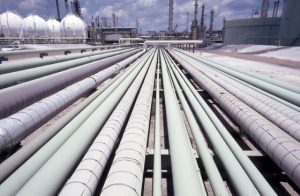
TurkStream is a natural gas pipeline, currently under construction, designed to bring Russian gas to Tutkey, and from there to Southern Europe. Basically, it is the successor of South Stream, a project that was halted by the European Union because, if completed, it would have given Russia a strong influence over Southern Europe.

What was true about South Stream is also true about TurkStream, because it’s almost the same project, with the only difference that, unlike South Stream, TurkStream, as its name suggests, includes Turkey as a strategic ally of Russia.

If completed, TurkStream will give not only Russia, but also Turkey, a huge amount of influence over Europe. Turkey will become the southern equivalent of Ukraine: it will get full control over how Russian gas will get into Europe. Turkey will thus be in a position to control and even blackmail Greece (and other European countries), just like the formerly Russian-controlled Ukraine was in a position to blackmail Western countries by cutting the gas supply coming to them from Russia.

Friends of TurkStream and of Erdogan

Snam, the Italian gas operator, is interested in the completion of TurkStream. Earlier this month, Snam’s CEO, Marco Alvera, met in Moscow with Gazprom’s CEO, Alexei Miller, to discuss cooperation between the two parties regarding the TurkStream project. (https://www.reuters.com/article/us-russia-gazprom-snam-it/russias-gazprom-says-discusses-cooperation-with-italys-snam-idUSKCN1HB1P7)

In early February this year, Turkey’s president Recep Erdogan went to Italy, where he met with representatives from Snam (and from other leading Italian companies). (http://www.adnkronos.com/aki-en/politics/2018/02/05/erdogan-dines-with-italian-big-business_ooVTcODb24vJEXZlW2cSIN.html)

Everything looks like an offensive headed both by Russia and Turkey to increase Turkey’s (and therefore Russia’s) influence in Southern Europe. And Italy’s Snam is at the center of this offensive, as a strategic ally.

Geopolitical consequences

As stated earlier, if completed, the TurkStream project will give Erdogan a huge amount of power over Europe, and especially over Greece. Turkey will be able to dictate to Greece the price for the gas it delivers, which in turn will severely weaken Greece’s position in the region. For all intents and purposes, Greece will become Turkey’s vassal-state.

It’s easy to imagine the damaging effect this Russian-Turkish alliance will have over the European Union. It will generate divisions between Turkey- dependent states and other EU members, less dependent on Russian gas. A new agenda could be imposed, and everything we know about European cohesion and democracy will suffer a damaging blow.

Russia thus might be able to achieve via Turkey what it failed to achieve via Ukraine. Ukraine, though, was finally co-opted in the Western sphere of influence, so the Russian influence was successfully blocked. Turkey, on the other hand, is constantly moving farther away from Europe and from NATO, and a stronger alliance between illiberal Russia and illiberal Turkey, to the detriment of Greece (and of the European Union in general), is becoming more obvious and more successful by the day.

Snam is a supporter of this Russian-Turkish alliance, because it will increase its profits, even though it is detrimental to Greece. Under these circumstances, perhaps the Greek government will reevaluate its decision to accept Snam as the preferred bidder in the acquisition of DESFA.

If companies like Snam and Fluxys, who support the Russian-Turkish alliance, will get control over Greece’s gas operator, they will make a lot of money, but Greece itself will lose.

http://oligarchsinsider.com/2018/04/19/turkeys-bid-to-control-greece-via-snam/

Προειδοποιούν και φοβούνται τους Τούρκους οι ΗΠΑ: Ο άξονας του Ισραήλ με τους Κούρδους

0

Οι σημαίες όλων των χωρών στην είσοδο του Στέιτ Ντιπάρτμεντ. Φωτογραφία via HellasJournal.Com

Του ΜΙΧΑΛΗ ΙΓΝΑΤΙΟΥ  APRIL 20, 2018   hellasjournal.com

Η αμερικανική αμφισβήτηση της ικανότητας της τουρκικής κυβέρνησης να διεξάγει ελεύθερες και δίκαιες εκλογές, είναι το πρώτο μήνυμα-προειδοποίηση των Αμερικανών προς τον πρόεδρο της Τουρκίας, Ταγίπ Ερντογάν.

Στην περίπτωση επανεκλογής του, ο κ. Ερντογάν σχεδιάζει να ηγηθεί ενός αυταρχικού καθεστώτος το οποίο θα φέρει και «δημοκρατικό» μανδύα, μία εξέλιξη που θα μπορούσε να φέρει σε πολύ δύσκολη την Αμερική, η οποία όμως έχει επιλογές: τον άξονα των Κούρδων με τους Ισραηλινούς.

Οι ανησυχίες των Αμερικανών είναι πραγματικές καθώς έχουν επιβεβαιώσει τις προθέσεις του κ. Ερντογάν, ο οποίος συμμάχησε με τους ακραίους εθνικιστές του Ντεβλέτ Μπαχτσελί, επικεφαλής του Κόμματος Εθνικιστικού Κινήματος (MHP).

Η συνεργασία αυτή αποτελεί επίσης μεγάλη πηγή ανησυχίας για τους Αμερικανούς, που έχουν χάσει στην κυριολεξία την …μπάλα στις σχέσεις τους με την Τουρκία. Ενώ γνωρίζουν ότι υπό τον Ταγίπ Ερντογάν η χώρα έχει χαθεί για την Αμερική, και γενικότερα τη Δύση, επιμένουν αδιάντροπα να ελπίζουν πως θα επανέλθει στο μαντρί, αντί να εκπονήσουν σοβαρά σχέδια για την αντικατάστασή της.

Είναι αρκετές οι χώρες της περιοχής, που με μεγάλη προθυμία θα αντικαθιστούσαν και θα κάλυπταν τον στρατηγικό ρόλο της Τουρκίας. Οι πληροφορίες που υπάρχουν είναι ότι η κυβέρνηση του Ντόναλντ Τραμπ θα αυξήσει την πίεσή της προς την Τουρκία, και για την ανάγκη να διεξαχθούν καθαρές εκλογές, αλλά και για την αποφυλάκιση των Αμερικανών υπηκόων, που κρατούνται αδίκως από τις τουρκικές αρχές.

Η περίπτωση του πάστορα Αντριου Μπράνσον δεν είναι η μοναδική, που απασχολεί την Αμερική. Η αστυνομία του Ερντογάν έχει συλλάβει και μέλη του προσωπικού της πρεσβείας στην Άγκυρα και του προξενείου στην Κωνσταντινούπολη. Είναι οι όμηροι του προέδρου της Τουρκίας, ο οποίος ζήτησε από τους Αμερικανούς να τους ανταλλάξει με τον Ιμάμη Γκιουλέν και τον τραπεζίτη Αττίλα.

Ο τελευταίος υπήρξε ταμίας της οικογένειας του Τούρκου προέδρου και βρίσκεται και αυτός φυλακισμένος στην Αμερική, για παραβίαση του αμερικανικού εμπάργκο εναντίον του Ιράν.

Μέχρι αυτή τη στιγμή, η αμερικανική κυβέρνηση αρνείται κάθε συνδιαλλαγή με την Τουρκία και τον Ερντογάν, αλλά υπάρχει ένας παράγοντας ισχυρός, που θα μπορούσε να πείσει τον κ. Τραμπ «να τα βρει» με τον πρόεδρο της Τουρκίας. Είναι ο πρώην δήμαρχος της Νέας Υόρκης, Ρούντι Τζουλιάνι, ο οποίος προσφέρει τις νομικές υπηρεσίες του στον κ. Ερντογάν έναντι αδρής αμοιβής, και από χθες είναι και επίσημα δικηγόρος του Αμερικανού προέδρου.

Παλαιότερα είχε προσπαθήσει να πετύχει μία συμφωνία σε υψηλό επίπεδο για την απέλαση του Γκιουλέν, αλλά απέτυχε. Θα προσπαθήσει ξανά; Αυτό είναι το μέγα ερώτημα.

Η Αμερική ανησυχεί, λοιπόν, για την κατάσταση της Δημοκρατίας στην Τουρκία, αλλά δεν κάνει και τίποτα για να βοηθήσει όσους Τούρκους και ξένους παλεύουν για να την προστατεύσουν.

«Κατά τη διάρκεια της κατάστασης έκτακτης ανάγκης, θα είναι δύσκολο να διεξαχθούν απόλυτα ελεύθερες, δίκαιες και διαφανείς εκλογές με τρόπο που θα συνάδει με το τουρκικό δίκαιο και τις διεθνείς υποχρεώσεις της Τουρκίας» δήλωσε η εκπρόσωπος του Στέιτ Ντιπάρτμεντ Χέδερ Νάουερτ κατά τη διάρκεια της τακτικής ενημέρωσης των δημοσιογράφων.

Ως γνωστόν, μετά την απόπειρα πραξικοπήματος στις 15 Ιουλίου του 2016, η Τουρκία παραμένει υπό το καθεστώς έκτακτης ανάγκης για σχεδόν δύο χρόνια.

Σύμφωνα με την κ. Νάουερτ, οι Αμερικανοί «διατυπώνουν ανησυχίες σχετικά με την ικανότητά (των Τούρκων) να διεξάγουν (τις εκλογές) κατά τη διάρκεια αυτού του είδους της κατάστασης έκτακτης ανάγκης».

Πρόκειται για μία βαριά κατηγορία. Σε συνδυασμό με την προχθεσινή προειδοποίηση του υφυπουργού Εξωτερικών, Γουές Μίτσελ για την επιβολή κυρώσεων εναντίον της Τουρκίας εάν αγοράσει το ρωσικό αντιπυραυλικό σύστημα S-400, οι Αμερικανοί δείχνουν έτοιμοι για τη μεγάλη σύγκρουση.

Θα τολμήσουν; Με βάση τη μέχρι σήμερα τακτική τους, αμφιβάλλω. Αλλά εάν τολμήσουν θα πρόκειται για μία εξέλιξη που θα ικανοποιήσει πολλούς συμμάχους της Αμερικής με πρώτους τους Κούρδους και τους Ισραηλινούς, οι οποίοι εσχάτως συνεργάζονται σε όλα τα επίπεδα, άρα και στο στρατιωτικό…

Το Κουρδιστάν και το Ισραήλ θα μπορούσαν να αποτελέσουν τον ακρογωνιαίο λίθο της αμερικανικής εξωτερικής και αμυντικής πολιτικής και τους πιστούς χωροφύλακες των Ηνωμένων Πολιτειών στη Μέση Ανατολή.

Πηγή: Προειδοποιούν και φοβούνται τους Τούρκους οι ΗΠΑ: Ο άξονας του Ισραήλ με τους Κούρδους https://hellasjournal.com/2018/04/proidopioun-ke-fovounte-tous-tourkous-i-ipa-o-axonas-tou-israil-me-tous-kourdous/

Who Cares About Big Tech’s Displaced Workers?

0


The story of the US economy over the past 40 years has been one of rapid technological change, growing corporate monopoly power, and deepening despair for a rising share of workers. There will be no happy ending unless the US radically changes its approach to managing the impact of innovation.

STANFORD – Have we entered a new Gilded Age, in which tech monopolies wield enormous political and economic power in the same way that Standard Oil did at the end of the nineteenth century? The scale of wealth being produced for a select few, along with the mounting despair of workers who are left behind by technology-driven economic change, certainly suggests that growing monopoly power is strangling parts of our economy. But the monopolies of the Gilded Age were very different corporate creatures from the technology driven monopolies that have arisen in recent decades.

The Gilded Age monopolies were created via collusion, intimidation and bribery by corporate bosses. They were eventually rendered illegal by antitrust laws. Today’s monopolies, however, are legal and were created by true innovators who received various forms of legal protection as their firms rose to dominance. John D Rockefeller, J. P. Morgan, Andrew Carnegie or Cornelius Vanderbilt were corporate bosses, not innovators like Jeff Bezos, Sergey Brin, Steve Jobs and Mark Zuckerberg. So, in contrast to the antitrust policy of the past, what is needed today is an approach to monopoly power that relies on policy which is both subtle and complex. And this requires that we reconsider many of our prior biases and preconceptions about what a “free market” truly means, and about the role of government in that market.

Whereas the US government, in 1911, broke up Standard Oil into 34 companies for its violations of the 1890 Sherman Antitrust Act, an effective policy toward contemporary monopolies will require legal adaptation to the new reality: a new approach to taxation, regulation, patent laws and labor markets. Here, I focus on the labor market, and the need to establish a principle of “required compensation” for workers whose lives have been damaged by today’s new monopoly power. Such compensation should – indeed, must – be the basis of a strategy to correct the negative consequences of today’s misguided policies, which have allowed the increasing concentration of enormous wealth, accompanied by the despair of many millions of ordinary American workers who see the future foreclosed to them.

Surprisingly, given Silicon Valley’s supposed left-wing political orientation, many intelligent people in Big Tech reject such a principle for public policy, which runs strongly counter to the libertarian ideas that prevail in their industry. Companies, according to this view, have the God-given natural right to engage in “creative destruction,” without the government taxing them or otherwise interfering with them to compensate those whose lives are broken by the destructive side of innovation. But the conditions they support, and which prevail in the current labor market, are simply unsustainable, both politically and economically. Changing these conditions will require a better understanding of what a “free market” really is.

The case for government action can be made using common sense. When a government builds a road, it compensates landowners whose property is needed for the construction. When an oil company is granted the right to build a pipeline, it assumes a legal obligation to compensate those harmed by the construction, and to cover future financial, property, and environmental damage caused by the pipeline’s operation.

The underlying principle is that a good public policy either requires those gaining from the policy to compensate the losers directly, or subjects those gains to taxes or fees with which the government compensates those who are harmed. Either way, compensation is hardly a scheme for radical income redistribution. Rather, it is the property that economic textbooks require a policy to satisfy in order to be “Pareto efficient.” It is also exactly what makes good public policy compatible with a free-market economy. This commonsense principle can thus be used as a yardstick for assessing US growth and economic policy over the last half-century.

THE CHANGING ECONOMIC LANDSCAPE

Since the 1970s, inequality of income and wealth has increased sharply. Real (inflation-adjusted) wages have risen little, and workers have not shared in productivity gains since 1973. Wage stagnation has been driven by the information technology (IT) revolution, which accelerated automation. Another factor contributing to anemic wage growth, and to declining US manufacturing employment, is the “China shock”: the post-2000 period of rapid growth that turned China into the world’s IT manufacturing hub.

IT-driven automation proceeded at the same time that corporate market power was rising. Because technological improvements are the crucial engine of rising productivity and growth, IT advances are universally viewed as economically beneficial. But, as I show in recent research, IT has a dark side: by enabling and supporting the rise of corporate monopoly power, IT innovations have caused the rise in inequality and contributed to the slowdown in wage growth.

I use the term monopoly power in its broadest sense to include all forms of non-competitive market power (on the part of sellers or buyers). A firm’s monopoly power arises from its ability to block or impede market entry by potential competitors. This power allows the firm, in two possible ways, to increase its profits above levels that would exist under competition. A firm with seller monopoly power can raise the prices that it charges customers for its products above levels that would exist in more competitive markets; and if it has a buyer monopoly power, it can lower wages and the prices it pays its suppliers.

So how does IT cause an increase in monopoly power?

All innovations lead to some monopoly power for the innovator, owing to patents and copyrights. Therefore, IT innovations endow their creators with initial monopoly positions as the sole proprietors of valuable knowledge or information, which they can prevent others from using. This is the core of IT monopoly power: the market value of their right to prevent others from using proprietaryknowledge.

Once an IT monopoly is established, it endows the company with the advantage of first mover. A combination of associated factors – additional patents, intellectual-property rights, trade secrets, falling computing and storage costs, and decreasing network user costs – then enable the company to consolidate market power, raise barriers to competition, and make it virtually impossible for potential competitors to break its power. IT networks endow a market leader with economies of scale that allow it to grow rapidly. Using their market power, such firms choke off innovations that threaten their position, often by purchasing competing firms.

To be sure, today’s leading tech firms make positive contributions to society. And though some use unlawful tactics, it is worth remembering that their IT-generated monopoly power is promoted by policies meant to foster innovations and protect innovators’ intellectual-property rights.

This point is crucial and merits examples. Biotechnology drug companies such as Celgene have monopoly power because the law grants them ownership rights to specific drugs for a number of years before generics can be introduced into the market. Similarly, Google, Facebook, and other social-media companies have monopoly power in the advertising market because, under current law, they can use, buy, or sell the personal data of the public they serve. Any legal changes to privacy protections could therefore undercut their monopoly power and profitability.

It is important to distinguish between these legally protected forms of monopoly power and the monopoly power that arises from unlawful collusion and price fixing. When legal monopoly power is modest, the threat it poses tends to be outweighed by an innovator’s positive contributions. So how extensive is this kind of market power today?

THE MASSIVE EFFECT OF RISING MONOPOLY POWER

Monopoly power enables companies to earn abnormal, uncompetitive profits, which, in turn, cause stock prices to rise above normal competitive levels. Stock prices and corporate profits fluctuate over time. But a case of sustained profits and rising stock prices above normal levels implies that values are not based on purely chance events, but rather on monopoly power. Accordingly, profits due to monopoly power are called monopoly profits, and the part of a company’s market value that reflects monopoly power is called monopoly wealth.

Let’s start with monopoly profits. Income created by a company with monopoly power is divided into three parts: labor income, normal interest income paid to capital employed, and monopoly profits. Several researchers have shown that monopoly profits have risen dramatically in the last three decades, from near zero in the early 1980s to $2.1 trillion – equivalent to 23% of total US corporate income – in 2015. During the same period, monopoly power caused the combined shares of wages and interest paid to capital to decline by 23 percentage points. While productivity and growth boosted total wage and capital incomes, monopoly power reduced their proportional shares, thus slowing their growth.

Likewise, monopoly wealth was virtually zero in 1982, but rose dramatically as IT innovations spread. By December 2015, monopoly wealth had reached $23.8 trillion, or 82% of the stock market’s total value at the time. Bear in mind that this is the extra wealth gained by stockholders above the wealth increment attained through normal savings and added capital assets such as buildings, factories, and so forth.

Over time, these changes shifted the distribution of income and wealth away from workers and toward the owners of financial assets. But IT innovations also increased income and wealth inequality among individuals. Because IT has caused increased profits and stock prices, monopoly gains have taken the form of large paydays for managers, and dividends and capital gains that benefit only shareholders. And, because a very small proportion of very wealthy individuals owns a very large proportion of all stocks, most gains from corporate monopoly power were received by a sliver of wealthy individuals. And the 2017 tax “reform” that US President Donald Trump signed in December transfers an additional $2 trillion their way.

IT has thus reshaped the US economic and social landscape, both by fueling the rise of corporate monopoly power and also by undermining the position of labor. It has altered the balance of market power in favor of corporations and against their customers, workers, and suppliers. And it has had a profoundly negative impact on lower-skill workers, in particular.

DESPAIR IN THE LABOR MARKET

In recent years, scholars and policymakers have been paying greater attention to the human costs of technological change and international trade, particularly the costs borne by the 60% of the US labor force comprising workers without a college degree. These costs are even higher for those without high-school diplomas. The data indicate that these workers are experiencing increased rates of obesity, alcoholism, drug abuse, family breakdown, and chronic ailments like diabetes and cardiovascular and circulatory disease.

Recent research attributes this mounting misery to the workplace. Nuria Chinchilla of the IESE Business School, for example, has been warning since 2005 that the American work culture is having a destructive effect on family life. She argues that the workplace makes excessive demands on employees to work unreasonable hours and adapt unfailingly to changing job needs. These pressures have led workers constantly to fear for their jobs, while contributing to higher divorce rates and deteriorating health.

In 2015, the economists Anne Case and Angus Deaton also put a spotlight on declining health. They discovered a trend, dating back to the 1990s, of increased mortality among middle-aged white Americans. This finding is particularly surprising, given that advances in medicine over the past half-century have increased life expectancy at middle age. According to Case and Deaton, a large cohort of Americans has succumbed to “deaths of despair,” done in by drugs, alcohol, or suicide. In many cases, the victims of this trend have been formerly thriving blue-collar workers whose working conditions deteriorated over time.

Jeffrey Pfeffer of the Stanford Graduate School of Business expands on these observations in his new book, Dying for a Paycheck. Pfeffer shows that there has been a general deterioration in the workplace, particularly for lower-level employees. He demonstrates that growing corporate demands on workers and fear of losing their jobs lead to work-family conflicts and increased stress, causing deteriorating health. He estimates that workplace conditions in the US increase the number of deaths by 120,000 each year, making the workplace the fifth leading cause of death. These conditions also account for 8% of all medical costs in the US.

Finally, extensive research by Princeton University’s Alan Krueger and others shows that there has been an increase in employer practices aimed at disempowering lower-ranking workers. These practices include the widespread use of unnecessary non-compete clauses, which make it harder for workers to seek alternative employment; wage fixing by employers in company towns and rural or remote locations; and the increased use of contract-labor companies that turn workers into a traded commodity.

Contract-labor firms recruit workers on temporary contracts and pay low wages with minimal to no benefits. The contracted workers are then sent to work at client firms that have no long-term relationship with them. This practice may be suitable for some of those in the “gig economy” pursuing only part-time work. But it is clearly detrimental to lower-educated workers seeking long-term employment and a chance to develop their skills through on-the-job experience.

The contract model is sharply at odds with, say, Germany’s apprenticeship system. Not only does Germany’s system offer workers better opportunities; it also provides a constant stream of highly qualified industrial workers, who go on to produce top-quality German products. Every year, 500,000 young candidates enter the program; and over the course of a year, each receives a one-week dispensation every month to attend a government-funded trade college. Having received a year of both expert and on-the-job training, they are awarded a certification of proficiency in their chosen area. An apprentice system has been started in the US, but its scale and funding are minimal.

In sum, the problem for lower-ranking workers in the US is not just low wages. It is that the IT transformation has made work a source of despair rather than a source of pride and security. In addition to producing economic inefficiencies, these conditions also create political time bombs, because economic insecurity makes voters more susceptible to demagogic appeals. These factors have already had a pivotal effect, visible in the outcome of the 2016 US presidential election.

OUR CURRENT POLICY

Although corporate monopoly power is the result of a wave of IT innovations, this wave was also made possible by the US social environment, its legal structure, and policies to promote innovations. America’s open society allows free exchange of ideas and interaction between entrepreneurs and researchers. The US constitution protects property rights, and its laws protect intellectual property rights.

This legal framework enables innovators to appropriate the benefits of their creativity. At the same time, a growing segment of less-educated workers, innocent bystanders to the IT transformation, are now being left behind. Research has shown that for this labor segment, adjusting to such monumental changes is a much slower and costlier process than might have been presumed.

After all, the most valuable asset blue-collar workers without college degrees have is their human capital and skills, which they acquire over many years of on-the-job experience. Hence, when a blue-collar job disappears, a 50-year-old worker sustains a major loss, and has very limited options for building a new career. Retraining such workers to take on more modern jobs is difficult and expensive. And while they can sometimes pursue opportunities in another location, doing so is costly and typically requires separation from family and friends. The same applies to younger, less-educated workers, except that the younger a worker is, the better are the options for establishing a new life.

All told, current US public policy promotes innovation, and US law enables corporate holders of intellectual-property rights to appropriate the gains from innovation and trade and base operations globally. This approach has been successful in promoting growth, but not in compensating displaced workers and others who suffer as a consequence. Even if workers had a crystal ball that could predict the destruction of their jobs, they lacked the tools to insure themselves against such outcomes. The failure to institute a program to salvage the lives of dislocated workers has damaged the efficiency of the US free-market economy.

The discriminatory policy approach underlying this failure is derived from the view that the government should not engage in redistribution, and that automation, innovation, and trade should be left for the market to sort out. According to this view, the creative destruction that economic growth entails is natural and, in the long run, beneficial to society. So, if we want the long-term benefits, we must accept the market’s verdict and forgo government intervention.

But, again, there is nothing natural about the IT-driven changes of the past few decades. They are all consequences of man-made laws and public policies. When a Silicon Valley innovator is successful in developing a business, it is in part because US laws and the country’s physical and social infrastructure enabled that success. Thus, in accord with the principle of required compensation, the total social gains from an innovation or trade should also serve as a source of funds to help those workers displaced by it.

Silicon Valley entrepreneurs take pride in disrupting the prevailing order, and they are right to view creative destruction as being vital to growth and development. But they should revisit their views about what constitutes a free-market economy, what makes innovation possible in such an economy, and what role public policy should play in redressing harm to workers who find themselves on the receiving end of disruptive change.

TOWARD A NEW POLICY

Apart from temporary unemployment benefits, some firms do pay displaced workers severance benefits; but those payments tend to be too small, not least because job destruction usually occurs at declining firms that lack the funds to compensate workers. A national program to restore the livelihoods of displaced workers would find it relatively easy to identify those who qualify for support. And that support would be small for those younger workers who could quickly be placed in new jobs. The cost of compensating older workers will be higher, depending upon age and ability to be retrained for alternative employment.

Ideally, a compensation policy would attempt to identify the gains from innovation, and then tax them to create the needed public fund. But this might fail if the gains prove difficult to account for. Much of the net gains from the IT transformation are monopoly profits and gains from trade; but there have also been widespread consumer benefits (consumer surplus). Moreover, some consumer gains do accrue to employed workers, which constitutes partial compensation.

Nevertheless, aiming for a practical solution, we know that 82% of all dividend payments and all capital gains are monopoly profits that accrue to the owners of corporate shares, which are concentrated in the hands of the wealthy. It follows, therefore, that progressive taxation of income and capital gains is the best approximation with which to fund a program for restoring workers’ livelihoods. Unfortunately, the 2017 tax “reform” went in the opposite direction: instead of increasing progressivity with higher marginal rates on high incomes, it lowered the tax rates of the very wealthy.

In addition to compensating displaced workers, a good policy would aim to reduce workplace stress and improve efficiency. To that end, public policy can contribute in three ways. First, it can strengthen the Affordable Care Act (Obamacare) to make health care universal and less expensive for workers. Second, it can mandate annual paid vacations to afford all workers a period of rest. And, third, it can enforce antitrust laws to prevent practices that restrict workers’ employment choices.

But the government itself cannot change workplace culture. Only institutions responding to local needs can have the desired impact on the ground, and it is not clear which institutions could fulfill such a mission. One idea worth discussing is to promote a new, reformed version of private-sector unions. We need an entity that can collectively negotiate wages and working conditions. Such an entity would not only contribute to stopping some of the unfair labor practices noted earlier, but could also provide social services – including job search, occupational retraining, marriage and financial counseling, addiction treatment, and wellness programs – to help members solve various personal problems.

Worker assistance can take many different forms, but the general principle would be that the union acts as a frontline provider of counseling service to help refer workers to specialists. Once a need is identified, public funds could be tapped for some of these services (such as addiction treatment), thereby supplementing union and individual resources.

While I am under no illusion that the Trump administration would take any of these steps, these ideas should be more widely debated. They are not new. European unions have a long tradition of offering insurance as part of their self-help efforts, or managing insurance plans established through collective bargaining. For example, in France and Sweden, unions participate with employers on boards that manage private-sector employees’ pension plans. And, under the so-called Ghent system, unions in Belgium, Denmark, Finland, Iceland, and Sweden manage union and public funds, and even disburse welfare and unemployment payments. In Germany, union cooperation is central to the country’s massive apprenticeship program.

Whatever the solution, rising corporate monopoly power and the growing despair of workers, both the result of the IT revolution, can no longer be ignored. The current situation is not just deeply unfair. If unchecked, it threatens to precipitate political strife and economic turmoil, with disastrous consequences. Neither economic efficiency nor democratic stability can be sustained if the wealthiest individuals continue to enjoy falling taxation on rapidly rising monopoly profits, while the vast majority of working Americans live in neglect and despair.


Είμαστε άδικοι με την Μπαζιάνα;

4
Λίλα Σταμπούλογλου19 ΑΠΡΙΛΙΟΥ 2018, 07:31 protagon.gr
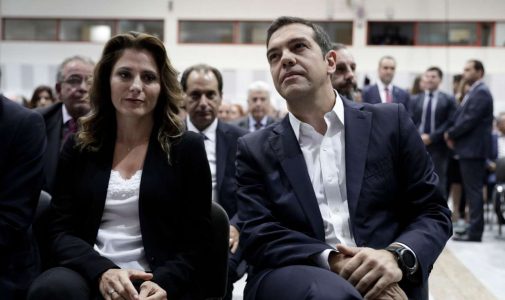
Η Περιστέρα (Μπέτυ) Μπαζιάνα μαζί με τον σύντροφό της Αλέξη Τσίπρα στο δείπνο για τον Ερντογάν τον περασμένο Δεκέμβριο. Είχε ήδη αποφασιστεί ότι θα ενταχθεί στο διδακτικό προσωπικό του ΕΜΠ
|INTIMENEWS/ΤΖΑΜΑΡΟΣ ΠΑΝΑΓΙΩΤΗΣ
Αν η σύντροφος του Αλέξη Τσίπρα κλαίει κάθε 5η Ιουλίου, λογικά θα πρέπει να γελάει κάθε Μεγάλη Δευτέρα: τότε δημοσιεύτηκε το ΦΕΚ με το οποίο εντάχθηκε επισήμως στο διδακτικό προσωπικό του Πολυτεχνείου. Ο κόσμος είναι καχύποπτος – και ίσως άδικος. Αλλά δεν είμαστε Δανία
Λίλα Σταμπούλογλου Λίλα Σταμπούλογλου19 ΑΠΡΙΛΙΟΥ 2018, 07:31

Η Περιστέρα Μπαζιάνα λογικά δεν πέρασε βδομάδα των Παθών, πέρασε βδομάδα των χαρών. Γιατί πώς να μην χαρείς, όταν τη Μεγάλη Δευτέρα δημοσιεύεται ένα ΦΕΚ που σε μετατρέπει από διοικητική υπάλληλο σε ειδικό διδακτικό προσωπικό του ΕΜΠ; Και μάλιστα, αυτό να γίνεται και μέσα σε σύντομο χρονικό διάστημα; Τον Μάιο του 2017 να μετατάσσεσαι ως διοικητική υπάλληλος και σε, ούτε έναν χρόνο αργότερα, να γίνεσαι διδάσκουσα με τα όλα σου. Αν η κυρία Μπαζιάνα κλαίει κάθε 5η Ιουλίου, λογικά θα πρέπει να γελάει κάθε Μεγάλη Δευτέρα.

Βέβαια, δεν χάρηκαν όλοι με τον διορισμό της. Πάρα πολλοί ήταν αυτοί που τον σχολίασαν αρνητικά και ειρωνεύτηκαν το γεγονός ότι τον πέτυχε τόσο εύκολα και τόσο γρήγορα: «Ενώ διαμαρτυρόταν οργισμένα ότι δεν θα κάνει χρήση της διάταξης. Να περιμένουμε τώρα το επόμενο βήμα, ότι οι ΕΔΙΠ θα γίνουν μέλη ΔΕΠ; Για να δούμε…», αναφέρει ο βουλευτής του Ποταμιού, Γιώργος Μαυρωτάς.

Κάπου εκεί, εν μέσω μπηχτών και επιθέσεων, πετάχτηκε κι ο Παύλος Πολάκης να την υπερασπιστεί: «Σας πειράζει που είναι εξαιρετική επιστήμονας και δουλεύει, αντί να ασχολείται με offshore και φιλανθρωπίες σε γκαλά;» πόσταρε στο Facebook. (Λες και η κυρία Γκαμπρόφσκι -γιατί σ’ αυτήν λογικά αναφέρεται ο αναπληρωτής υπουργός υγείας- δεν δουλεύει. Ολόκληρη επιχείρηση τρέχει η γυναίκα).

Η αλήθεια είναι ότι κανείς δεν λέει ότι η κυρία Μπαζιάνα δεν είναι μια εξαιρετική επιστήμονας. Αντιθέτως, βλέποντας την πορεία της, οφείλεις να της αναγνωρίσεις ότι είναι ικανή και με προσόντα που δικαιολογούν μια πορεία προς το καλύτερο. Και διδακτορικό έχει, και δημοσιεύσεις, και επισκέπτρια καθηγήτρια σε Πανεπιστήμιο του Πεκίνου έγινε. Όταν όμως υπάρχουν κι άλλοι ικανοί άνθρωποι που αξίζουν να έχουν τέτοιες πορείες, προς την κορυφή, και μένουν στα μισά του δρόμου λόγω άνισης μεταχείρισης, δυσκολεύεσαι να είσαι δίκαιος με την κα Πρωθυπουργού.

Σε ένα πρόχειρο τουιτερικό γκάλοπ, το 81% θεώρησε ότι ο διορισμός της ήταν νεποτισμός. Δεν μπορεί να διακρίνει ο κόσμος ότι είναι εξαίρετη επιστήμονας; Όχι, δεν νομίζω ότι αυτό είναι το πρόβλημά του. Ο κόσμος είναι καχύποπτος με την κυρία Μπαζιάνα –και ίσως είναι και άδικος κάποιες φορές στην κριτική του– επειδή δεν είμαστε Δανία, είμαστε Ελλάδα. Επειδή είμαστε το άντρο της αναξιοκρατίας. Σ’ αυτό το άντρο λοιπόν, η σύζυγος του πρώτου ανδρός της χώρας διορίζεται σε πανεπιστήμιο, με ΦΕΚ που βγαίνει Μεγάλη Δευτέρα. Και σε χρόνο ρεκόρ, γίνεται από καθηγήτρια σε σχολείο της επαρχίας, καθηγήτρια στο Πολυτεχνείο.

Φυσικά και δεν μπορείς να είσαι καλοπροαίρετος με όλο αυτό. Γιατί, ακόμα κι αν πεις ότι η κυρία Μπαζιάνα κινήθηκε σωστά και έντιμα, κανείς δεν σου εγγυάται ότι ενήργησαν αξιοκρατικά οι υπόλοιποι, εκείνοι που είδαν μια αίτηση με το όνομα Περιστέρα Μπαζιάνα κι έπρεπε να την αξιολογήσουν. Δεν λέω βεβαίως ότι δεν θα μπορούσε να συμβεί μια δίκαιη αξιολόγηση και στην περίπτωση της συζύγου του πρωθυπουργού, λέω όμως ότι οι πιθανότητες είναι λίγες. Και ακόμα λιγότερες είναι οι πιθανότητες να πιστέψουμε ότι έγινε μια δίκαιη αξιολόγηση απ’ το Δημόσιο, σε σύζυγο πρωθυπουργού.

Αν λοιπόν μια σύζυγος πρωθυπουργού θέλει να έχει το ηθικό πλεονέκτημα, ίσως θα πρέπει να αφήσει τους διορισμούς σε δημόσιο οργανισμό για αργότερα. Όταν δεν θα είναι πια σύζυγος πρωθυπουργού.

ΥΓ. Αν η Περιστέρα διοριζόταν όταν ο ΣΥΡΙΖΑ δεν ήταν στην εξουσία, τότε ναι, θα έλεγες: ήταν δίκαιο και έγινε πράξη.

Είμαστε άδικοι με την Μπαζιάνα;

«Η παρέμβαση Μακρόν στο ευρωκοινοβούλιο και η γαλλο-γερμανική συνάντηση του Βερολίνου»

0

Του Αλκη Καλλιαντζίδη Οικονομολόγου  [email protected]  www.kalkis.eu
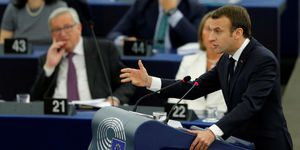
Ο πρόεδρος της γαλλικής Δημοκρατίας πήγε την Τρίτη στο Στρασβούργο, μίλησε για 30 λεπτά και έκανε διάλογο για άλλες 2 ώρες και 30 λεπτά με τους ευρωβουλευτές στο Ευρωκοινοβούλιο. Τι ήθελε να πει στους αιρετούς των λαών της Ευρώπης με αυτήν του την κίνηση ο Μακρόν ; Ήταν μόνο για να μας προκαλέσει μεγάλη ικανοποίηση, αναγγέλλοντας την αλληλεγγύη του προς την απειλούμενη από την Τουρκία Ελλάδα και Κύπρο ; Όχι βέβαια, άσχετα αν μόνο αυτό κυριάρχησε στην ελληνική ομφαλοσκοπική ειδησεογραφία μας. Στην πραγματικότητα, ο Μακρόν ήθελε να κάνει το εναρκτήριο λάκτισμα της προεκλογικής του καμπάνιας για τις ευρωεκλογές που έχουμε μπροστά μας τον Μάιο του 2019. Θέλησε δηλαδή να δοκιμάσει τις ιδέες του σχετικά με το μέλλον της Ευρώπης μεταξύ των διαφόρων σημερινών κοινοβουλευτικών ομάδων που βρίσκονται στο Στρασβούργο, πριν οριστικοποιήσει τη δική του ευρωπαϊκή στρατηγική.


Ο δημοσιογράφος François Clemenceau διερωτήθηκε στην ηλεκτρονική έκδοση της εφημερίδας Le journal de dimanche στις 17-04-2018, μήπως ο Μακρόν προσπαθεί να εντάξει το νεόδμητο κόμμα του η «Γαλλία Εμπρός» σε μια από τις γνωστές φιλοευρωπαϊκές πολιτικές δυνάμεις ή να  «δώσει την μάχη ως Γαλλία Εμπρός κάτω από τη δική του σημαία με την ελπίδα να ενταχθούν σε αυτήν αιρετοί ή υποψήφιοι από τη δεξιά, την αριστερά και από το κέντρο, δημιουργώντας έτσι μια συσπείρωση σε όλη την Ευρώπη»;

Ας θυμηθούμε στο μεταξύ την δήλωση του Μακρόν την 26η  Σεπτεμβρίου 2017 στο πανεπιστήμιο της Σορβόννης : «Η Ευρώπη που γνωρίζουμε», είχε πει τότε,  «είναι πολύ αδύναμη, πολύ αργή, πολύ αναποτελεσματική, αλλά μόνο η Ευρώπη μπορεί να μας δώσει μια δυναμική για δράση στον κόσμο, μπροστά στις μεγάλες σύγχρονες προκλήσεις», βλέπε σχετικό άρθρο μου στις Ανιχνεύσεις στις 27-09-2017 http://www.anixneuseis.gr/?p=176068 . Σύμφωνα με τον ίδιο, η δημοκρατία, το κράτος δικαίου, η ανεξαρτησία της δικαιοσύνης και των μέσων μαζικής ενημέρωσης, η αλληλεγγύη μεταξύ των κρατών, ειδικά στους πρόσφυγες, είναι όλα θέματα για τα οποία ο εφησυχασμός δεν μπορεί να συνεχιστεί. Εάν εξαρτιόταν μόνο από τον Μακρόν, η Πολωνία και η Ουγγαρία, για παράδειγμα, θα έπρεπε να απειλούνται σήμερα πολύ περισσότερο με κυρώσεις ή περιορισμούς ως προς τις κοινοτικές επιδοτήσεις που εισπράττουν, εάν συνεχίσουν να παρακάμπτουν τις εν λόγω αρχές που έχουν συγκροτήσει ιστορικά τη δημοκρατική Ευρώπη. Με αυτό το είδος συζήτησης ο Μακρόν σκοπεύει να τροφοδοτήσει τις περίφημες «διαβουλεύσεις με τους πολίτες» που θα διοργανωθούν σε όλη την Ευρώπη λίαν προσεχώς έως τον προσεχή χειμώνα, εκτός της Ουγγαρίας η οποία δεν τις αποδέχθηκε στο σύνολο των 27 κοινοτικών χωρών.


Όμως δεν είναι μόνο ο Ούγγρος Viktor Orban  που αντιτάχθηκε κάθετα στις «διαβουλεύσεις με τους πολίτες». Έξι μήνες μετά την παρουσίαση στη Σορβόννη της πρότασης του Μακρόν για την Ευρωπαϊκή Ένωση, κι  άλλοι ευρωπαίοι ηγέτες είναι όλο και πιο απρόθυμοι να ακολουθήσουν το φιλόδοξο μονοπάτι που χάραξε ο Μακρόν. Δεν δείχνουν ιδιαίτερο ενθουσιασμό για κοινοτικές μεταρρυθμίσεις. Τον Σεπτέμβριο 2017 το πλαίσιο ήταν διαφορετικό. Πολλοί στις Βρυξέλλες ελπίσανε τότε ότι η νίκη του Μακρόν σηματοδοτούσε ένα φρένο στην πρόοδο των λαϊκιστών στην Ευρώπη. Αυτό δεν συνέβη. Στην Αυστρία, ο νεαρός πρωθυπουργός Sebastian Kurz  συμμάχησε με την άκρα δεξιά. Στην Ουγγαρία, ο Viktor Orban  επανεξελέγη θριαμβευτικά με ομιλίες μίσους κατά των προσφύγων και των τεχνοκρατών των Βρυξελλών. Στην Ιταλία, οι εκλογές του Μαρτίου 2018 οδήγησαν στη νίκη των λαϊκιστικών κομμάτων, το Κίνημα των 5 αστέρων και την Λίγκα του ιταλικού βορρά. Στο Βερολίνο, οι σχετικές συζητήσεις Macron-Merkel για τo μέλλον της Ευρώπης μόλις ξεκίνησαν σήμερα 19-4-2018, είναι κρίσιμες, όμως η γερμανική κοινή γνώμη είναι πολύ επιφυλακτική για την ευρωπαϊκή πρόταση

  

του Γάλλου προέδρου. Παρά ταύτα ο Μακρόν προσπαθεί να αναθερμάνει τα ευρωπαϊκά του σχέδια για την επανα-δόμηση  της μετά-Brexit Ευρώπης. Ο Γάλλος πρόεδρος υποσχέθηκε για τον προσεχή Ιούνιο έναν κοινό «οδικό χάρτη» με το Βερολίνο. Μια σχετική αποτυχία του θα  δυσφημίσει την ευρωπαϊκή στρατηγική του και θα υπονομεύσει το ανάστημά του ως μεταρρυθμιστή, τόσο στη Γαλλία όσο και αλλού στην Ευρώπη. Από τη σημερινή συνάντηση του Βερολίνου ο γαλλο-γερμανικός άξονας φαίνεται ότι κατέληξε και θα κατεβάσει έναν κοινό «οδικό χάρτη» στη σύνοδο κορυφής του προσεχούς Ιουνίου, λιγότερο φιλόδοξο μεν για τα μέτρα του Μακρόν, όμως υπαρκτό. Κάτι που θα μπορούσε να θεωρηθεί ως ελπιδοφόρο μήνυμα , παρά τις όποιες σοβαρές διαφωνίες που εκφράζουν κυρίως βουλευτές του κόμματος CDU, για την μετά-Brexit Ευρώπη, η οποία απειλείται σήμερα από τους πεμπτο-φαλαγγίτες του εθνολαϊκισμού. Η γερμανική πλευρά είναι σχεδόν αδύνατο να δεχθεί να παρέχεται κοινοτική οικονομική αλληλεγγύη σε μια χώρα, όπως στην Ελλάδα π.χ., δίχως πρόγραμμα και έλεγχο των όποιων συμφωνημένων μεταρρυθμίσεων. Εξ ου και η συζητούμενη εξάμηνη παράταση του τρέχοντος Μνημονίου, προς μεγάλη απογοήτευση των ΣΥΡΙΖΑΝΕΛ, αν όντως συμβεί κάτι τέτοιο τον προσεχή Αύγουστο…
Ο ‘Αλκης Καλλιαντζίδης είναι οικονομολόγος.

Στο Κάιρο ο Πάνος Καμμένος για διμερείς επαφές σχετικά με τη στρατιωτική συνεργασία Ελλάδας – Αιγύπτου

0


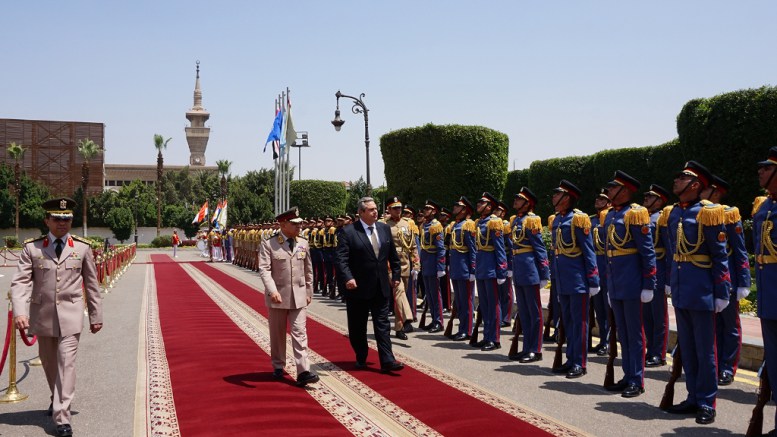
Ο Υπουργός Εθνικής Άμυνας Πάνος Καμμένος, μετά από πρόσκληση του Αιγύπτιου ομόλογού του Στρατηγού Sedki Sobhy, πραγματοποίησε σήμερα επίσκεψη στο Κάιρο. Στη συνάντηση που είχαν οι δύο Υπουργοί συζήτησαν θέματα διμερούς συνεργασίας και αντάλλαξαν απόψεις επί των εξελίξεων στην περιοχή ενδιαφέροντος των δύο κρατών.

Ο Πάνος Καμμένος επιθεωρεί τιμητικό άγημα μαζί με τον Αιγύπτιο ομόλογό του

https://hellasjournal.com

Ο Ερντογάν με αντίπαλο τον εαυτό του

0

 ΑΓΓΕΛΟΣ ΣΥΡΙΓΟΣ* kathimerini.gr

Στις προσεχείς προεδρικές εκλογές της Τουρκίας ο νικητής θα είναι ο απόλυτος κυρίαρχος του πολιτικού συστήματος ενώ ο ηττημένος χάνει τα πάντα. Έχοντας αυτό κατά νου ο Ερντογάν επέλεξε να προχωρήσει σε πρόωρες εκλογές τον Ιούνιο του 2018 προτιμώντας να διαμορφώσει εκείνος τις εξελίξεις παρά να τρέχει πίσω από αυτές προσπαθώντας να προσαρμοσθεί. Η επιλογή είναι απολύτως ορθολογική για τους ακόλουθους λόγους:

Οικονομία της χώρας: ο βασικός παράγοντας επιτυχίας του Ερντογάν όλα αυτά τα χρόνια είναι η θαυμαστή ανάπτυξη της τουρκικής οικονομίας. Από το 2002 που ανέλαβε τη διακυβέρνηση της χώρας του, η οικονομία εκτινάχθηκε κατά 74%. Η συνεχής οικονομική ανάπτυξη (που μερικές χρονιές έφτανε επίπεδα Κίνας) επέτρεψε στους ψηφοφόρους να παραβλέπουν αρχικώς τη διαφθορά του καθεστώτος και στη συνέχεια τον απολυταρχικό μετασχηματισμό του πολιτικού συστήματος. Τα σημάδια, όμως, των τελευταίων μηνών δείχνουν ότι τα πράγματα δεν πάνε καλά. Η τουρκική λίρα κατρακυλά έναντι των ξένων νομισμάτων, ο πληθωρισμός ανεβαίνει ενώ η ανάπτυξη βασίζεται πλέον κυρίως στην κατανάλωση. Είναι προφανές ότι ο Ερντογάν φοβάται σοβαρή επιδείνωση των οικονομικών δεικτών προς το φθινόπωρο του 2018.

Εθνικιστικός οίστρος λόγω του Αφρίν: Η σχετικά γρήγορη κατάληψη της συριακής πόλεως Αφρίν από τον τουρκικό στρατό, έχει δημιουργήσει εθνικιστικό οίστρο στην Τουρκία. Δύσκολα όμως, η Τουρκία θα μπορέσει να συνεχίσει τις επιθετικές κινήσεις έναντι των Κούρδων διότι κινδυνεύει να έλθει σε σύγκρουση με τις ΗΠΑ. Την ίδια περίοδο Δύση και Ρωσία πιέζουν την Άγκυρα να επιλέξει στρατόπεδο. Ο Ερντογάν επιθυμεί να εκμεταλλευθεί τα συναισθήματα του κόσμου ενόσω είναι ακόμη νωπές οι μνήμες των επιτυχιών των τουρκικών ενόπλων δυνάμεων διότι οι επόμενοι μήνες στο Συριακό προβλέπονται δύσκολοι.

Κατάσταση εκτάκτου ανάγκης: Από το αποτυχημένο πραξικόπημα του Ιουλίου 2016 η χώρα βρίσκεται σε κατάσταση εκτάκτου ανάγκης και ο Ερντογάν συγκεντρώνει στα χέρια του υπερεξουσίες. Την ημέρα που ανακοινώθηκαν οι εκλογές έγινε και η έβδομη κατά σειράν παράταση της καταστάσεως εκτάκτου ανάγκης για ακόμη τρεις μήνες. Αυτό σημαίνει ότι η Τουρκία θα πάει σε εκλογές ενώ θα συνεχίζει να βρίσκεται σε αυτό το καθεστώς. Εάν οι εκλογές γίνονταν, όπως ήταν προγραμματισμένο, το φθινόπωρο του 2019, ο Ερντογάν θα έπρεπε να παρατείνει έξι ακόμη φορές το καθεστώς εκτάκτου ανάγκης. Κάτι τέτοιο θα συγκέντρωνε έντονη κριτική από την αντιπολίτευση.

Κοινές πολιτικές και προεδρικές εκλογές πριν τις δημοτικές εκλογές του Μαρτίου 2019: Στις 24 Ιουνίου 2018 θα γίνουν παράλληλα προεδρικές και βουλευτικές εκλογές. Ο Ερντογάν θέλει να κινητοποιήσει υπέρ του όλο τον μηχανισμό του κυβερνώντος ΑΚΠ, αφού όλοι οι υποψήφιοι βουλευτές θα βγουν υποχρεωτικώς στις πόλεις και στα χωριά.

Επίσης αποφεύγει τον σκόπελο των δημοτικών εκλογών που είναι προγραμματισμένες για την άνοιξη του 2019. Υπενθυμίζεται ότι οι Ισλαμιστές ξεκίνησαν την ανοδική πορεία τους προς την εξουσία όταν στις δημοτικές εκλογές του 1994 εξελέγησαν δικοί τους δήμαρχοι σε μία σειρά από μεγάλες πόλεις της Τουρκίας. Μεταξύ αυτών ήταν και η Κωνσταντινούπολη όπου εξελέγη δήμαρχος ο ίδιος ο Ερντογάν. Εάν επαναληφθούν τα αποτελέσματα του δημοψηφίσματος του Απριλίου 2017, οι Ισλαμιστές θα χάσουν όλες τις μεγάλες πόλεις περιλαμβανομένης και της Κωνσταντινουπόλεως. Ο Ερντογάν δεν επιθυμεί να συρθεί σε προεδρικές εκλογές μετά από ένα τέτοιο ταπεινωτικό αποτέλεσμα.

Αποδιοργανωμένη αντιπολίτευση και η υποψηφιότητα της Ακσενέρ: Εδώ και μερικούς μήνες ο Ερντογάν έχει αρχίσει την προεκλογική του εκστρατεία. Μιλάει σε τρεις τουλάχιστον ανοιχτές προεκλογικές συγκεντρώσεις ανά εβδομάδα. Την ίδια περίοδο τα κόμματα της αντιπολιτεύσεως είναι αποδιοργανωμένα. Οι Κεμαλικοί δεν έχουν ακόμη αποφασίσει ποιον θα υποστηρίξουν ως υποψήφιό τους στις εκλογές. Η μισή ηγεσία του φιλοκουρδικού κόμματος HDP είναι στη φυλακή, περιλαμβανομένου και του χαρισματικού ηγέτη του, Ντεμιρτάς. Μοναδική υποψηφιότητα που δείχνει να προβάλλει ως το αντίπαλο δέος είναι η πρώην βουλευτίς των Γκρίζων Λύκων Μερά Ακσενέρ.

Συγκεντρώνει ψήφους από εθνικιστές, κεμαλικούς και ήπιους ισλαμιστές. Είναι όμως αμφίβολο εάν θα μπορέσει να είναι υποψήφια. Ο τουρκικός εκλογικός νόμος ορίζει ότι ένα κόμμα επιτρέπεται να καταθέσει υποψηφιότητα για τις εκλογές έξι μήνες μετά το τέλος του ιδρυτικού του συνεδρίου. Η Άκσενέρ ολοκλήρωσε το ιδρυτικό συνέδριο του νέου της κόμματος (υπό την ονομασία “Καλό Κόμμα”) τον Φεβρουάριο. Επομένως μέχρι τα τέλη Αυγούστου είναι εκτός προεδρικής υποψηφιότητας. Αυτό, όμως είναι στην τελική κρίση της Κεντρικής Εφορευτικής Επιτροπής. Εναλλακτικώς, μπορεί κάποιος να κατέλθει υποψήφιος εάν συγκεντρώσει 100.000 υπογραφές. Υπό τις παρούσες συνθήκες ο Ερντογάν μπαίνει στον αγώνα περίπου μόνος του. Το μόνο του πρόβλημα είναι εάν δεν εξασφαλίσει το 50% συν μία ψήφο από τον πρώτο γύρο και υποχρεωθεί να πάει σε δεύτερο γύρο. Εκεί υπάρχει η πιθανότητα (μάλλον ισχνή) ο όποιος αντίπαλος του να κερδίσει συγκεντρώνοντας τις αντι-ερντογανικές ψήφους.

Οι πρόωρες εκλογές δεν αποτελούν μακροπρόθεσμα κακή είδηση για τις ελληνοτουρκικές σχέσεις που βρίσκονται στο κόκκινο από τον Ιανουάριο. Για τον Ερντογάν τα δύο ορόσημα είναι η επανεκλογή του και το 2023 που συμπληρώνονται 100 χρόνια από την ίδρυση της Τουρκικής Δημοκρατίας. Μετά τις προεδρικές εκλογές για τις οποίες εμφανίζεται ως ο πλέον πιθανός νικητής, εικάζεται ότι μπορεί να κατεβάσει τους εθνικιστικούς τόνους. Υποτίθεται ότι ένας από τους λόγους που εμφανίζει επιθετικές διαθέσεις είναι για να μην αφήσει χώρο στην αντιπολίτευση να τον κατηγορήσει για ενδοτισμό. Απομένει να δούμε εάν θα ισχύσει και στην πράξη αυτή η πρόβλεψη. Το κακό είναι ότι για τους επόμενους δύο μήνες η κατάσταση θα είναι ακόμη πιο επικίνδυνη.

* O Αγγελος Συρίγος είναι Αναπληρωτής Καθηγητής Διεθνούς Δικαίου και Εξωτερικής Πολιτικής στο Πάντειο Πανεπιστήμιο. 

Area C is Strategically Vital for Israel

0

By April 18, 2018

BESA Center Perspectives Paper No. 801, April 18, 2018

EXECUTIVE SUMMARY: The proposed transfer of significant parts of Area C to the control of the Palestinian Authority (PA) will be detrimental to Israel’s national interest, if only because these territories are almost completely devoid of any Palestinian population. As such, they afford not only a strong security grip but the possibility of extensive Jewish settlement without threatening Israel’s Jewish and democratic character. Prime Minister Yitzhak Rabin’s meticulous and detailed demarcation of Area C in the Oslo Accords underscores the great importance he accorded to Israel’s continued retention of this territory.

Last year, upon the publication of Micah Goodman’s book Catch-67, I explained the basic reasons for my disagreement with his analysis and recommendations. That seemed at the time to be the end of the matter. When Goodman chose, a year later, to set forth his views in two almost identical articles – one in the Haaretz supplement (February 16, 2018); the other in Makor Rishon (April 5, 2018) – I felt compelled to warn of the danger his recommendations entail.

Opposed to what some Israelis see as a desirable status quo in the West Bank, Goodman recommends a string of pragmatic small steps that would “enable Palestinian autonomy to expand without Israel’s security contracting.” He explains that “this does not entail major ideological concessions such as evacuating settlements.”

The essence of the dispute lies in two practical recommendations that to my mind are disastrous: transferring considerable parts of Area C to PA control; and “halting settlement expansion outside the large blocs.” These recommendations show that Goodman is stuck in a mechanistic security paradigm, borrowed from senior defense establishment officials whom he met while writing his book – but Israel’s control of the West Bank is not solely predicated on security needs.

The national-security equation goes well beyond technical security aspects. As stated in the IDF’s doctrinal literature: “National security is the domain concerned with ensuring the national ability to contend effectively with any threat to the national existence and to the vital national interests.” Indeed, the debate between right and left about Israel’s continued control of the West Bank (or parts of it) is rooted in the question of its vital national interests there. Unable to agree on their national vision, Israelis have vested the debate in the hands of the security specialists. As a result, those vital interests have been reduced to little more than an inventory of security requirements, such as monitoring the border crossings in the Jordan Valley and having an early warning station on Mount Hazor.

For Goodman, his only interest beyond technical security matters – to which he assigns major importance – is separating from the Palestinians. This goal has been turned by the likes of Ehud Barak, Haim Ramon, and Tzippi Livni into a supreme national interest. Yet in their many statements about the need for separation, they totally ignore the fact that the lion’s share of the separation was already implemented at the start of the Oslo process under Prime Minister Yitzhak Rabin.

In May 1994, Israel’s rule over the Palestinian population of the Gaza Strip came to an end with the establishment of the PA; and in January 1996, the Israeli civil administration’s rule over the Palestinian population of Areas A and B of the West Bank came to an end. Since that time, over 90% of the Palestinians in the territories conquered in the June 1967 war have been living under the Palestinian Authority.

To continue demanding that Israel separate from the Palestinians and minimize its rule over them – when that rule was already minimized quite some time ago – is a manipulative way of pushing for a near-total Israeli withdrawal from the West Bank, including the Jordan Valley, something Rabin was adamantly opposed to. (The settlement blocs that are supposed to remain in Israeli hands constitute no more than 4% of the entire territory.)

Moreover, from a spatial and ecological standpoint, an Israel that shrinks down to a strip of land along the coastal plain, from Nahariya to Ashkelon, becomes a densely populated urban nightmare. Even today the problem of density has reached the boiling point. For example, the Planning Authority has been ordered to plan the construction of an additional 2.6 million new apartments by 2040, all within the Green Line. Yet the spatial future lies in the open territory of the Jordan Valley from the river to the mountain spine; it is there that millions of Jews can be settled in a swath of land parallel to the coastal strip.

The way in which Rabin drew the contours of Area C, paying close personal attention to every road and hill, shows the map of Israel’s spatial interests in the West Bank. The territorial aspects of this conception require a settlement endeavor comprising four main tasks: 1) developing Greater Jerusalem, primarily eastward toward the Dead Sea; 2) developing southern Mount Hebron; 3) developing the Jordan Valley; and 4) developing the corridors from the coastal strip to the Jordan Valley. The distribution of Jewish localities in the West Bank, supported by the outposts, hews very closely to this strategic logic.

Herein lies the key to understanding the subversive activity the EU and the PA have been conducting in Area C in recent years. With coordinated strategic planning, stepped-up building, and extensive agricultural development, the PA is striving, with overt European support, to prevent Israel from realizing its national interests in the West Bank. This means not only struggling to broaden the Palestinian living space but also to fragment and isolate areas of Jewish settlement.

The struggle between Israel and the Palestinians now centers on the question of who, at the end of the day, will find himself fragmented and isolated. For Micah Goodman, who lives in Kfar Adumim, the personal significance of his own proposal is that his own village, like the Gush Etzion neighborhoods, will become an enclave in a Palestinian domain. This struggle will also determine the status of Jerusalem: whether Palestinian neighborhoods such as A-Tur and Isawwiya will be Palestinian enclaves in the Israeli space, or Maale Adumim will be an Israeli enclave in the Palestinian space.

This explains the stubborn American opposition to the founding of a national park on the eastern slopes of Mount Scopus: the goal is that Maale Adumim will become an Israeli enclave in a Palestinian area. Goodman’s recommendations dovetail with EU-led efforts to curtail Israeli control of Area C. What his small-steps paradigm really portends – even if the settlement blocs remain in Israeli hands – is a creeping Israeli withdrawal to the Green Line.

This dispute should be presented in its true colors. It involves contrasting understandings of Israel’s national mission and the issue of reclaiming the Jewish ancestral homeland, as well as different ways of assessing the security aspects of the situation. The dispute is not between those advocating judicious pragmatism and those caught up in an ideological vision that ignores the constraints of reality. The latter, too, are committed to pragmatic navigation that surmounts obstacles. It appears, though, that not only are the two parties’ goals different, but their compasses are differently calibrated.

In line with the traditional security concept of the pioneering Zionist movement, my pragmatic navigation regards extensive settlement of Area C as the key to strategic stability. The more Israelis settle in this area, the more others will come to view Israel’s presence as an unalterable reality with which it is best to reconcile. That is why the EU chose to get so openly involved in shaping this territory in the Palestinians’ favor.

Goodman’s recommendations run counter not only to the vision of the settlement enterprise in the West Bank and the Jordan Valley, but also to the way in which Rabin viewed Israel’s national interests in this territory.

“The only way to maintain the existing situation is to change it.” With those words Goodman ended his article. I certainly agree. The dispute, however, is over the direction of the change. Contrary to Goodman’s recommendations, Israel must increase its settlement activities with the goal in mind of three million Jews living in Area C, notably the Jordan Valley. Given that this area is almost totally bereft of Palestinian population, such a development is bound to strengthen Israel’s national security while having a negligible impact on its demographic balance, and none whatsoever on its continued existence as a Jewish and democratic state.

An earlier version of this article was published in Hebrew in Makor Rishon.

View PDF

Maj. Gen. (res.) Gershon Hacohen is a senior research fellow at the Begin-Sadat Center for Strategic Studies. He served in the IDF for forty-two years. He commanded troops in battles with Egypt and Syria. He was formerly a corps commander and commander of the IDF Military Colleges.

BESA Center Perspectives Papers are published through the generosity of the Greg Rosshandler Family

Τι οδήγησε τον Ερντογάν στις πρόωρες εκλογές

0

ΝΙΚΟΣ ΕΥΣΤΑΘΙΟΥ  “Kathimerini.gr”

Ο εκλογικός κύβος ερρίφθη στην Τουρκία. Στις τέσσερις (χθές) το απόγευμα, o Τούρκος Πρόεδρος, Ρετζέπ Ταγίπ Ερντογάν, ανακοίνωσε την πρόωρη προσφυγή στις κάλπες, θέτοντας ως ημερομηνία των Προεδρικών εκλογών την 24η Ιουνίου. «Oι ασθένειες του παλαιού πολιτικού συστήματος εμφανίζονται σε κάθε βήμα που κάνουμε», ανέφερε ο Ερντογάν σε ομιλία του στην Αγκυρα, τονίζοντας πως οι εκλογές είναι απαραίτητες ώστε να ληφθούν αναγκαία μέτρα για το άμεσο μέλλον της χώρας με τον πιο ισχυρό δυνατό τρόπο.

Πράγματι, οι επερχόμενες εκλογές είναι εξαιρετικής σημασίας για την Τουρκία, καθώς σηματοδοτούν μια ιστορική μετάβαση του τουρκικού καθεστώτος. Ο νικητής των προεδρικών εκλογών θα απολαμβάνει πλέον δραματικά ενισχυμένες εξουσίες, όπως αυτές εγκρίθηκαν με οριακή πλειοψηφία στο δημοψήφισμα του Απριλίου του 2017. Πρακτικά, έπειτα από τις προεδρικές εκλογές, το συνεχώς παρατεταμένο καθεστώς έκτακτης ανάγκης θα είναι πλέον περιττό, καθώς ο Πρόεδρος θα μπορεί να διοικεί την χώρα με προεδρικά διατάγματα και την άσκηση του βέτο.

Παρότι ο Τούρκος Πρόεδρος είχε προηγουμένως διαψεύσει πολλές φορές την φημολογία για πρόωρες εκλογές, η ανακοίνωση του δεν εξέπληξε τους αναλυτές που παρακολουθούν στενά την Τουρκία. Ηδη χθες (προχθές) το μεσημέρι, ο ηγέτης του Εθνικιστικού Κόμματος – και πλέον εκλογικός σύμμαχος του κόμματος του Ερντογάν – Ντεβλέτ Μπαχτσελί, ζήτησε την διεξαγωγή των εκλογών νωρίτερα από την προγραμματισμένη ημερομηνία.

«Είναι πολύ δύσκολο να φτάσουμε στις 3 Νοεμβρίου 2019 με σταθερότητα και ισορροπία υπό τις παρούσες συνθήκες», δήλωσε πυροδοτώντας τον διάλογο για πιθανότητα πρόωρων εκλογών. Οι δύο ηγέτες συναντήθηκαν στο Προεδρικό Μέγαρο το μεσημέρι, και η συζήτηση τους κράτησε μόλις τριάντα λεπτά.

Υπάρχουν δύο προφανείς ερμηνείες για την κήρυξη πρόωρων εκλογών στην Τουρκία. Από την μία, βρίσκεται η κατάσταση της υπερθερμασμένης τουρκικής οικονομίας: το έλλειμμα του ισοζυγίου, ο πληθωρισμός, και τα δάνεια του ιδιωτικού τομέα αυξάνονται δίχως σταματημό, κρούοντας τον κώδωνα του κινδύνου για μια πιθανή οικονομική κρίση στην χώρα. ‘Όσο πληθαίνουν οι οικονομικές αβεβαιότητες, τόσο αυξάνονται οι πολιτικοί κίνδυνοι για το κυβερνών κόμμα που ήδη αντιμετωπίζει σχετική φθορά στα ποσοστά του. Αλλωστε ήταν άλλη μια μεγάλη οικονομική κρίση το 2001 που προκάλεσε την κατάρρευση του τότε κυβερνώντος συνασπισμού, οδηγώντας τον Ερντογάν στην εξουσία – μια αντίστοιχη κρίση θα μπορούσε να σημάνει το τέλος του.

Από την άλλη, το περιθώριο των μόλις δύο μηνών προεκλογικής εκστρατείας είναι μια σαφής κίνηση αποπροσανατολισμού για την τουρκική αντιπολίτευση, που τους τελευταίους μήνες συζητά το ενδεχόμενο συσπείρωσης και εκλογικής συνεργασίας. Το ρεπουμπλικανικό κόμμα του Κεμαλ Κιλιτσιντάρογλου φλερτάρει με την δυναμική Μεράλ Ακσενέρ του νεοσύστατου «Καλού Κόμματος», αλλά και με μικρότερα συντηρητικά κόμματα, όπως το κόμμα της Ευδαιμονίας (Saadet), για το ενδεχόμενο μιας «Συμμαχίας των Αξιών».

Ωστόσο, παρά την ενοποιητική ιδεολογική δέσμευσή τους στις αρχές της δημοκρατίας, τα κόμματα αντιπροσωπεύουν ένα τεράστιο φάσμα της τουρκικής πολιτικής σκηνής, και φαίνεται εξαιρετικά δύσκολο να καταφέρουν να συσπειρωθούν πίσω από έναν ενιαίο υποψήφιο, υπό την πίεση του χρόνου. Στην αντίπερα όχθη, το δίδυμο AKP-MHP έχει μια ισχυρή, αδιαμφισβήτητη επιλογή στο πρόσωπο του Ερντογάν, αλλά και ένα κλίμα εσωτερικών και εξωτερικών ανησυχιών που ευνοεί το αφήγημα του για την ανάγκη μιας σταθερής κυβέρνησής.

Όποια και αν είναι η τελική έκβαση του εκλογικού αποτελέσματος, η κήρυξη πρόωρων εκλογών επιβεβαιώνει την νευρικότητα του Τούρκου Προέδρου, και οι επόμενοι δύο μήνες αναμένεται να είναι θερμοί και απρόβλεπτοι για την γείτονα χώρα. Μάλιστα, λίγα μόλις λεπτά από την ανακοίνωση των εκλογών, οι κάτοικοι της Κωνσταντινούπολης έλαβαν ένα γραπτό μήνυμα που ανακοίνωνε την ενισχυμένη παρουσία της αστυνομίας σε κεντρικά σημεία της πόλης.

http://www.kathimerini.gr/959698/article/epikairothta/kosmos/amesh-analysh-ti-odhghse-ton-erntogan-stis-prowres-ekloges