


 Adam Roberts
Digital editor
March 16th 2025
Hello from London,
Have investors decided America is less exceptional, after all? In the past few weeks markets sent a clear signal that previous enthusiasm for the world’s biggest economy is being sharply crimped. The stockmarket stands corrected, with the S&P 500 index of big firms back below where it was after the election in November. This week will give a stronger sense of how much further the fall could go. I expect you’ll hear much talk about bears approaching. Donald Trump’s chaotic actions, slapping tariffs on anything that moves, have spread uncertainty. His promises of cutting taxes, deregulation and lower government spending, meanwhile, so far remain just promises. Add doubts over what the Federal Reserve will decide about interest rates at its meeting this week, and the days (and probably months) ahead look wobbly indeed.
My hunch is that what comes next will be unsettling. Consumer sentiment is dipping fast and inflation is proving sticky. That most American of staples, the burger, will get pricier. And, as we report today, in America, as across the rich world, the cost of renting a home is getting out of control.
Mr Trump has indicated that he will tolerate a downturn (he has no election to fight) as he is intent on restructuring parts of the economy. But if he is unhappy with the Fed, then stand by for his next clash with an independent institution of government. The president and his acolytes are willing not just to tolerate some drama and disruption—they actively relish them. A fight with the Fed, after all, is something Mr Trump has previously signalled he would take on. Just as he enjoys watching different economic factions (camps of populists and libertarians, for example) inside his administration scrapping with each other, he likes to stir up conflict more broadly. He believes that he gains from such contests, even if the long-term health of American institutions suffers.
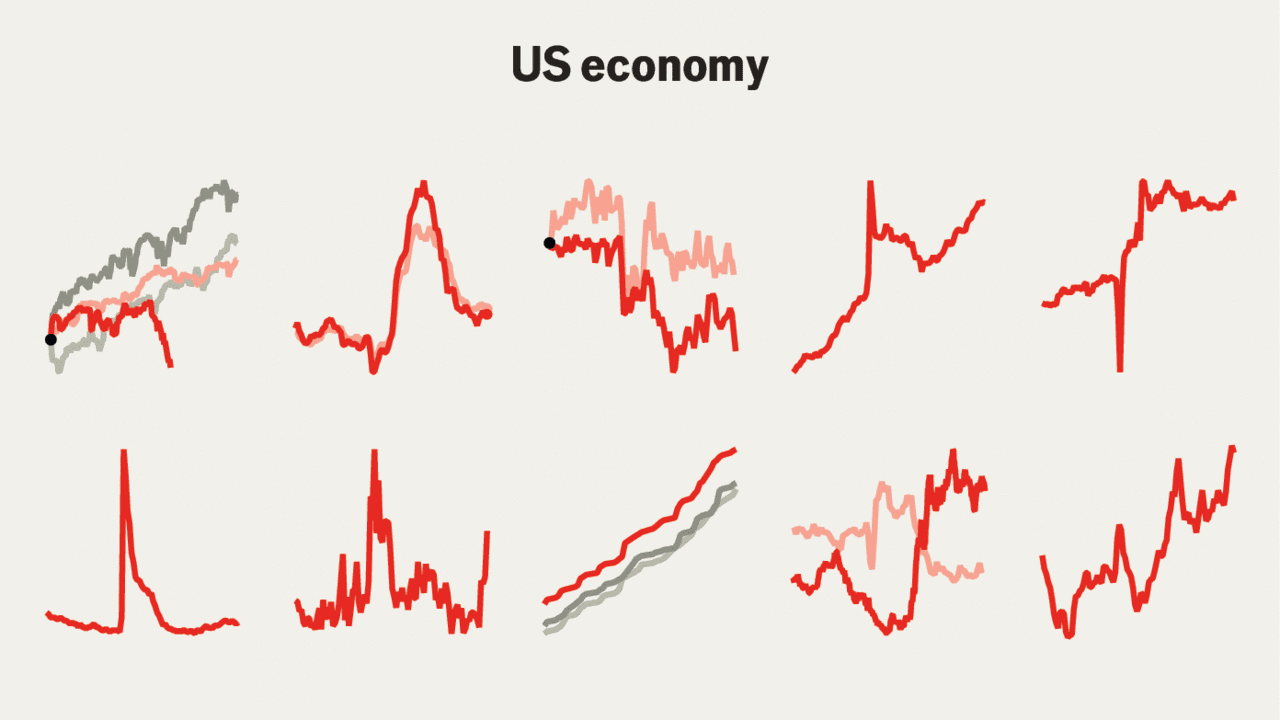
Far from everything is gloomy, of course. Our recent article sets out the ten indicators to watch to understand the state of America’s economy, and several are still looking rosy. Real wages and retail spending remain high and the jobs market remains strong. I expect we will be returning to these indicators regularly in the coming months, too.
Back to international affairs. How different is the idea of the West from the idea of a transatlantic relationship? Many “Western” countries—meaning liberal, capitalist democracies where respect for law and institutions is supposed to be paramount—exist nowhere near the Atlantic. Australia, New Zealand, South Korea and Japan are all broadly in the Western club. What’s potentially shifting now, as Mr Trump shows his clear affection for authoritarians such as Vladimir Putin, is that America might be trusted less by the rest of the West.
How might this play out? We’ve just published a look at how five English-speaking democracies—America, Australia, Britain, Canada and New Zealand—have long shared intelligence among themselves. This has gone on for decades, allowing Western allies big advantages over their rivals. But with Mr Trump’s administration threatening to exclude Canada from the network and bullying other allies, we ask what will happen to this longstanding alliance of spooks.
Finally, many thanks for your messages, including those of you who continue to voice your praise for Volodymyr Zelensky following his rough encounter in the White House with Mr Trump and J.D. Vance. Meanwhile a great many of you offered your views on our article about “inheritocracy”, the idea that (for many) the wealth you inherit is becoming more significant than the income you earn. Read a selection of the best letters here. Meanwhile, I expect to return soon to ask whether Russia will go along with Mr Trump’s plans for a ceasefire. Please write to me with your views on that, at economisttoday@economist.com.

